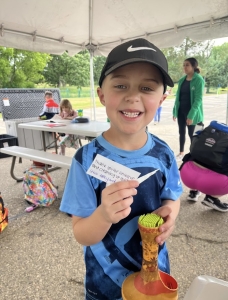
Kindness often shows up in small moments. For children, those everyday moments are opportunities to learn how their words and actions affect other people. At Swim&Gym Summer Camp, we value the caring choices that help campers feel welcome and included. Families can encourage those same choices at home through simple habits woven into daily life.
1. Let Kids See Kindness in Action
Children have plenty of opportunities to watch how adults treat others. Saying thank you, listening without interrupting, and responding patiently when plans change give them examples they can follow. Talk about your choices occasionally: “Our neighbor isn’t feeling well, so I’m checking whether they need anything.”You don’t have to get every moment right. When you lose your patience, showing how to apologize and try again offers a valuable example, too.
2. Make Kindness Specific
“Be kind” is a helpful reminder, but children may need a clearer picture of what to do.
Try suggestions such as:
- “Ask if they would like to play.”
- “Let’s give everyone a turn to share an idea.”
- “You could help pick up what fell.”
- “Ask before giving someone a hug.”
Practice useful phrases together: “Do you want to join us?” “Are you okay?” and “How can I help?” Having words ready can make it easier to act.
3. Notice Caring Choices
When you see kindness, describe what happened and why it mattered. Instead of only saying “Good job,” try: “You made room for your sister at the table. That helped her feel included.” At Swim&Gym, counselors recognize positive choices through our “Caught Being Goods” system. Families can bring that same attention to everyday moments by noticing helpfulness, encouragement, and inclusion. Keep the focus on the action and its effect. A caring choice matters even when nobody is watching or offering a reward.
Raising kind kids takes practice, patience, and plenty of chances to start again. A missed turn or an unkind comment can become an opportunity to listen, repair, and make a different choice. At Swim&Gym Summer Camp, we celebrate the everyday actions that make a group feel like a community: welcoming a new friend, cheering someone on, and offering help.
Those habits can begin anywhere—including at home, one small moment at a time.